Have you heard about Stephania Tetrandra Root Extract? It's been getting more buzz lately for its potential health perks. Basically, it's made from the Stephania plant, which folks have used for ages in traditional herbal medicine. Naturally, a lot of people are curious about what it might do and whether it really works.
You know how a lot of us are always on the lookout for natural, holistic options to boost our health? Well, this extract seems pretty promising. Some research hints that it could help boost your overall wellness. Many users say they experience increased energy and a better metabolism. Plus, it’s packed with compounds that might help keep your body running smoothly.
But, a word of caution — like with any supplement, it’s not a one-size-fits-all sort of thing. Everyone’s experience can be totally different. While some folks swear by it, others might not notice much of a difference. So, it’s good to do your homework and understand both the benefits and the limits of Stephania Tetrandra Root Extract. Getting the full picture helps you make smarter, more informed choices about adding it to your routine.
Overview of Stephania Tetrandra Root Extract
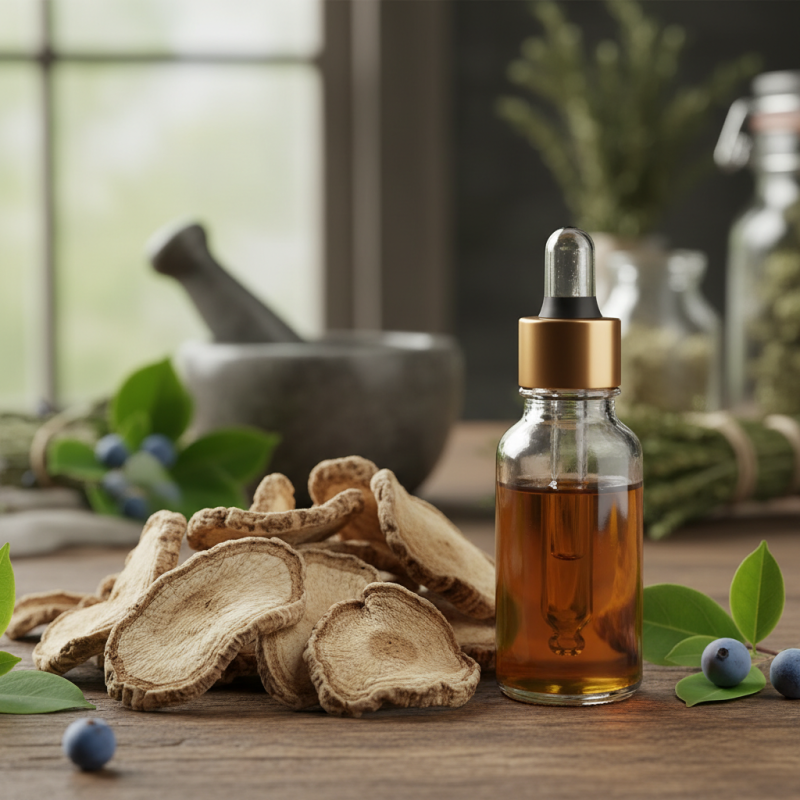
Stephania tetrandra, commonly known as the light yellow vine, has roots that are becoming popular in herbal medicine. This traditional remedy is utilized in various asian cultures for its potential health benefits. The extract from its root contains several active compounds. These compounds may enhance health in surprising ways. Many seek it for its supportive properties.
The extract is believed to help with inflammation and discomfort in the body. It is often used in formulations aimed at alleviating minor aches and nasal congestion. Some users report feeling better after taking it. Additionally, it is thought to support proper digestion. However, individual experiences can vary significantly, leading to some skepticism about its effectiveness.
There is a lack of extensive scientific research to fully back these claims. Users should approach with caution. While many may find benefits, others may not feel any effects at all. This highlights the need for further studies and personalized approaches. Understanding how this extract works in the body remains an ongoing journey.
Benefits of Stephania Tetrandra Root Extract
Historical Uses of Stephania Tetrandra in Traditional Medicine
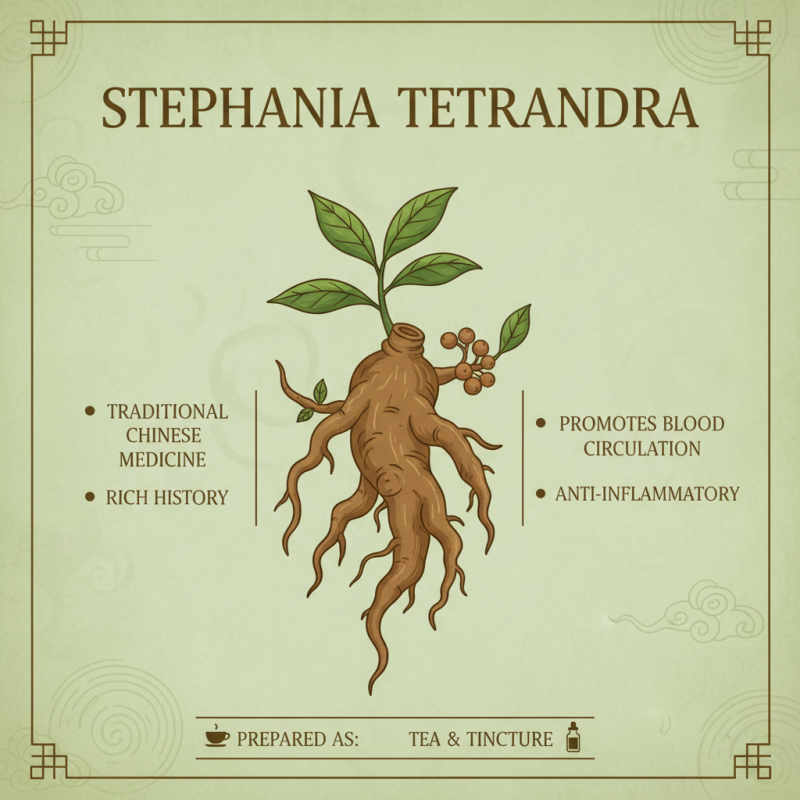
Stephania tetrandra, often found in traditional Chinese medicine, has a rich history. Historically, it was used to treat various ailments. Practitioners believed it could promote blood circulation. Many cultures also valued it for its anti-inflammatory properties. The root extract was often prepared as a tea or tincture.
Ancient texts describe its use in alleviating pain. It became popular for treating rheumatism and muscle stiffness. Some herbalists recommended it for respiratory issues, too. Folk remedies highlighted its potential to strengthen the immune system. However, scientific validation of these claims is still limited.
In modern times, some still embrace its historical significance. It serves as a reminder of nature's potential. Yet, caution is essential when using traditional remedies. Misuse can lead to unintended effects. The allure of ancient knowledge must be balanced with critical thinking.
Active Compounds Found in Stephania Tetrandra Root Extract
Stephania Tetrandra is known for its active compounds that provide various health benefits. One main component is Tetrandrine. This alkaloid has been studied for its potential effects on multiple body systems. Research suggests that it may help regulate blood pressure. It could also support cardiovascular health, making it a subject of interest for many.
Another notable compound found in Stephania Tetrandra is a flavonoid. Flavonoids are known for their Antioxidant properties. They help in neutralizing free radicals, which can damage cells. This means that using Stephania Tetrandra might promote overall wellness. Additionally, some studies hint at anti-inflammatory properties. This offers a glimpse into the plant's potential use in managing chronic conditions.
It is worth noting that while many benefit from these compounds, individual responses may vary. Some people experience allergies or digestive discomfort. This brings to light the importance of cautious use and consultation. Each body reacts uniquely to herbal extracts, revealing the need for further research. Understanding the effects of these active compounds requires more reflection and investigation.
Health Benefits Associated with Stephania Tetrandra
Stephania Tetrandra, a traditional herb, has gained attention for its potential health benefits. The root extract of this plant is known for its anti-inflammatory properties. People often use it to support joint health. Regular consumption may help reduce discomfort associated with inflammation.
Another benefit of Stephania Tetrandra Extract is its ability to promote relaxation. Many have reported improved sleep quality after including this extract in their routine. It might assist in calming the mind and easing stress. However, individual results can vary. Some may not experience the same level of relief.
While these advantages are intriguing, it’s essential to approach them with caution. The effects on some individuals remain unclear. Not everyone may benefit equally from the root extract. As with any natural remedy, further research is necessary to understand its full potential.
Potential Side Effects and Considerations
When considering Stephania Tetrandra root extract, it's essential to be aware of potential side effects. This herbal remedy, while beneficial in various ways, may not be suitable for everyone. Some users report mild digestive disturbances. Others have experienced allergic reactions, including skin rashes. It’s crucial to monitor your body’s response carefully.
Individuals with pre-existing medical conditions should approach with caution. Those taking medications should consult healthcare professionals. Overconsumption can lead to adverse effects. Sometimes, users overlook dosage guidelines and experience unexpected outcomes. Incorporating similar extracts, like Curcuma Longa Root Extract, may enhance benefits, yet personal tolerance varies greatly.
Pregnant or breastfeeding individuals should be particularly cautious. The extract’s effects on infants are not well-studied. Moreover, limited research exists on long-term use. This calls for more investigation into safety profiles. Observing how your body reacts is vital. Always reflect on your health priorities and make informed choices.
Methods of Consumption and Dosage Recommendations
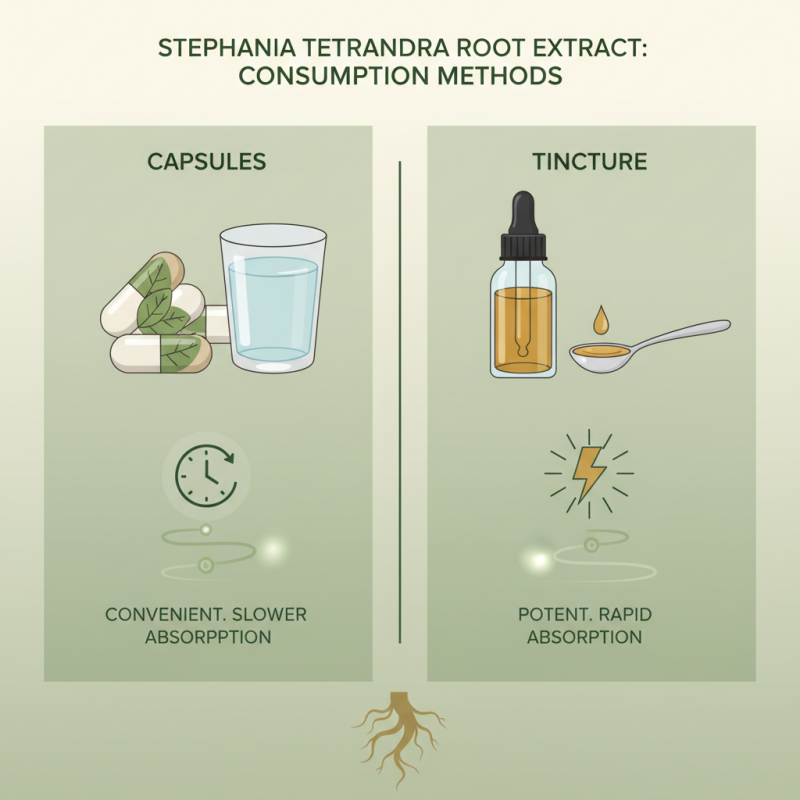
Stephania Tetrandra root extract has various methods of consumption. People often take it in capsule or tincture form. Capsules are convenient but may take longer to show effects. Tinctures can be more potent, providing quicker absorption.
Dosage recommendations vary. A common guideline suggests 300 to 600 mg of extract daily. However, individual needs may differ. Factors like age and health should influence your dosage. Many find it helpful to start with a lower dose and observe their body’s response.
Using Skullcap Root Extract can also blend well with other herbs. When combined, always pay attention to the reaction. Some people experience mild digestive upset. It’s essential to monitor how different combinations affect you. Keeping a journal can aid in tracking any changes. Always approach any herbal supplement with caution.
Current Research and Future Directions in Stephania Tetrandra Studies
Current research on Stephania Tetrandra root extract highlights its potential in various health applications. Recent studies indicate that this extract may support anti-inflammatory processes and possess antioxidant properties. According to a study published in *Frontiers in Pharmacology*, it could also play a role in managing metabolic disorders. This growing interest suggests a need for further investigation.
Future directions in Stephania Tetrandra studies may focus on its synergy with other herbal extracts, like Scutellaria Baicalensis Root Extract. Some researchers propose that combining these extracts could enhance therapeutic effects. However, evidence is still limited. There are challenges in standardizing extraction methods and determining optimal dosages.
Ongoing clinical trials aim to explore its efficacy in chronic diseases. These studies must address uncertainties surrounding dosage and potential side effects. Proper methodologies will be crucial for establishing credible data. The interplay between Stephania Tetrandra and existing herbal compounds also requires attention. Exploring these factors can unveil new opportunities in herbal medicine.
What is Stephania Tetrandra Root Extract Benefits and Uses? - Current Research and Future Directions in Stephania Tetrandra Studies
| Benefit | Description | Research Status | Future Directions |
| Anti-inflammatory | May reduce inflammation markers and symptoms. | Several studies underway. | Further clinical trials needed. |
| Pain Relief | Traditionally used to alleviate chronic pain. | Preliminary data show promise. | Investigate mechanisms of action. |
| Antioxidant | Contains compounds that may protect cells from oxidative stress. | Laboratory studies support efficacy. | Assess potential health benefits in humans. |
| Cardiovascular Health | May support heart health by improving circulation. | Limited research in this area. | Long-term studies to assess heart function. |
| Weight Management | Used in traditional medicine for weight loss support. | Emerging evidence, needs more validation. | Confirm effectiveness through randomized trials. |
Exploring the Benefits and Uses of Natural High-Quality Soybean Extract Daidzein Powder for Health and Wellness
Daidzein, a natural isoflavone derived from soybean extract, is gaining attention in the health and wellness sector due to its myriad benefits. With a purity level of 98%, this high-quality daidzein powder retains the beneficial properties of soybeans, making it an excellent addition to dietary supplements. Its white to light yellow powder form is highly versatile, allowing for easy incorporation into various healthcare products, from herbal extracts to pharmaceutical ingredients.
Research has shown that daidzein may offer numerous health benefits, including support for hormonal balance and potential antioxidant effects. This makes it particularly appealing for those seeking to enhance their overall wellness naturally. The non-additive and non-GMO nature of the daidzein powder ensures that consumers receive a clean, effective product, while the rigorous testing methods, including HPLC, guarantee its purity and potency.
Moreover, the daidzein powder adheres to stringent quality standards, certified by various organizations such as GMP, ISO9001, and HACCP. Its long shelf life of two years underlines its practicality for both manufacturers and consumers alike. By incorporating natural daidzein into daily health regimens, individuals can explore the benefits of this powerful soybean extract, promoting better health in a safe, effective manner.
FAQS
: It aims to enhance user experience and provide specific benefits.
It is designed for a wide range of users with varying needs.
Yes, some features may not be suitable for younger users.
Frequency of use depends on individual goals and preferences.
Some users may experience mild discomfort initially; it's normal.
Combining with other items is possible, but results may vary.
It's important to reassess usage and expectations; progress can take time.
Yes, a comprehensive guide is provided with detailed instructions.
Regular cleaning is crucial; follow the guidelines for proper maintenance.
You can typically find digital copies online; it’s worth checking.
Conclusion
Stephania Tetrandra Root Extract, derived from the Stephania tetrandra plant, has been utilized in traditional medicine for centuries, particularly in Chinese herbal practices. This extract is known for its active compounds that contribute to various health benefits, including anti-inflammatory and analgesic properties. Historical uses have ranged from treating joint pain to managing respiratory conditions, showcasing its versatility in traditional healing.
As research advances, there is a growing interest in the therapeutic potential of Stephania Tetrandra Root Extract. However, it is important to be aware of possible side effects and to follow dosage recommendations to ensure safe consumption. Current studies continue to explore its efficacy and safety, paving the way for future applications in modern healthcare.